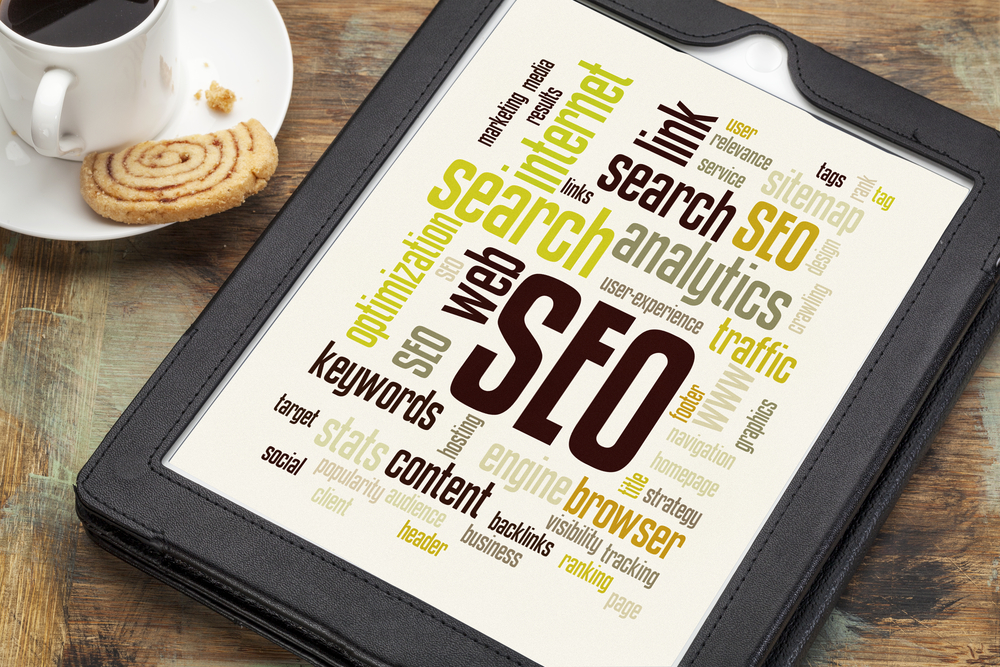
In today's digital landscape, search engine optimization (SEO) plays a crucial role in driving organic traffic to your website. Whether you're a business owner, a blogger, or an online marketer, understanding the importance of SEO and employing effective link building strategies is essential for boosting your website's rankings on search engine result pages (SERPs). In this article, we will explore some vital tips to help you optimize your website for SEO/SEM and improve your link building tactics.
1. Quality Content is King
When it comes to SEO , quality content reigns supreme. Search engines like Google prioritize websites that provide valuable and relevant information to their users. Therefore, it's crucial to create high-quality content that not only solves your audience's problems but also offers unique insights and perspectives. By producing compelling articles, blog posts, or videos that cater to your target audience's needs, you'll increase the likelihood of attracting organic backlinks, which are essential for improving your website's authority and rankings.
2. Keyword Research: The Foundation of SEM/SEO
Keyword research is the foundation of any successful SEO (search engine optimization) campaign. By identifying the right keywords that your target audience is using to search for information, products, or services, you can optimize your content to attract more organic traffic. There are numerous keyword research tools available, such as Ahrefs, SEMrush, and Moz, which can help you identify high-volume and low-competition keywords. Make sure to incorporate these keywords naturally in your content, including in your title tags, meta descriptions, and headings to increase your website's visibility in search engines.
3. Optimize On-Page Elements
On-page SEO (or SEM) refers to the optimization of various elements on your website to improve its visibility to search engines. Important on-page factors include title tags, meta descriptions, headers, alt text for images, URL structure, and internal linking. To optimize these elements, ensure that your title tags and meta descriptions accurately reflect the content of each page, use header tags (e.g., H1, H2, H3) to highlight important sections, add alternative text to your images to improve accessibility, create user-friendly URLs, and strategically link relevant pages within your website. These optimizations send signals to search engines about the relevance and value of your content, thereby improving your chances of ranking higher in SERPs.
4. Build High-Quality Backlinks
Backlinks are links from other websites that point to your site and serve as a vote of confidence in your content's quality and relevance. However, not all backlinks are created equal. Search engines value high-quality backlinks from authoritative and relevant websites, while low-quality or spammy backlinks can harm your rankings. Building quality backlinks is a long-term process and requires strategic outreach, guest posting, and collaboration with other relevant websites. Additionally, creating link-worthy content that naturally attracts backlinks is crucial. Remember, it's the quality, not the quantity, of backlinks that matters.
5. Improve Website Speed and Mobile-Friendliness
In today's fast-paced world, users expect websites to load quickly and deliver a seamless mobile experience. Search engines take these factors into account when ranking websites. To enhance your website's loading speed, optimize image sizes, enable browser caching, use a content delivery network (CDN), and minimize HTTP requests. Additionally, ensure that your website is responsive and mobile-friendly, as the number of mobile users continues to rise. These optimizations not only improve your SEO rankings but also enhance the user experience, leading to increased engagement and conversions.
Frequently Asked Questions (FAQs):
Q1. How long does it take to see results from SEO efforts?
A1. SEO is a long-term strategy, and results can vary depending on various factors such as website age, competition, and the effectiveness of your SEO efforts. Generally, it takes several months to start seeing significant improvements in your rankings. Consistent effort, quality content creation, and proper optimization are key to achieving sustainable SEO results.
Q2. Are paid advertising and SEO the same thing?
A2. No, paid advertising and SEO are distinct strategies. With paid advertising, you pay for ad placements to appear at the top of search engine results or on other websites. SEO, on the other hand, focuses on optimizing your website and content to organically rank higher in search results without paying for ad placement. While both strategies have their benefits, SEO offers long-term sustainability and the potential to attract highly targeted organic traffic.
Q3. Is link building still relevant for SEO?
A3. Yes, link building is an integral part of SEO. While search engines utilize various factors to rank websites, such as content quality and relevancy, backlinks are still considered one of the most important ranking signals. However, the focus has shifted from quantity to quality. Acquiring high-quality and relevant backlinks from authoritative websites significantly impacts your website's visibility and rankings.
Q4. Can I do SEO myself, or do I need to hire a professional?
A4. You can certainly perform basic SEO practices yourself, such as optimizing your content, performing keyword research, and improving on-page elements. However, SEO is a complex and ever-evolving field, requiring ongoing effort and expertise. Hiring an experienced professional or agency can ensure that your SEO strategy is comprehensive and aligned with the latest industry trends, maximizing your chances of success.
Q5. Are social media signals important for SEO?
A5. While social media signals (e.g., likes, shares, and comments) may indirectly impact your SEO rankings, they don't directly contribute to the algorithm that determines search engine rankings. However, social media platforms can be valuable tools for promoting your content, increasing brand visibility, and driving traffic to your website. Ultimately, well-executed social media strategies can indirectly support your SEO efforts by enhancing brand authority and attracting natural backlinks.
In conclusion, effective SEO and link building strategies are vital for boosting your website's rankings and attracting organic traffic. By focusing on quality content, conducting keyword research, optimizing on-page elements, building high-quality backlinks, and improving website speed and mobile-friendliness, you can enhance your website's visibility and drive sustainable organic growth. Embrace these essential SEO tips, stay up to date with industry best practices, and watch your website climb the SERPs ladder.
Other useful resources
- https://en.wikipedia.org/wiki/Search_engine_optimization